
A very woolly world tour
Sheep Breeds Around the World: Meet the Fluffiest Global Citizens
Meet remarkable sheep breeds from around the world, from curly-horned Rackas and woolly Merinos to desert-ready Awassis and sleek Dorpers.
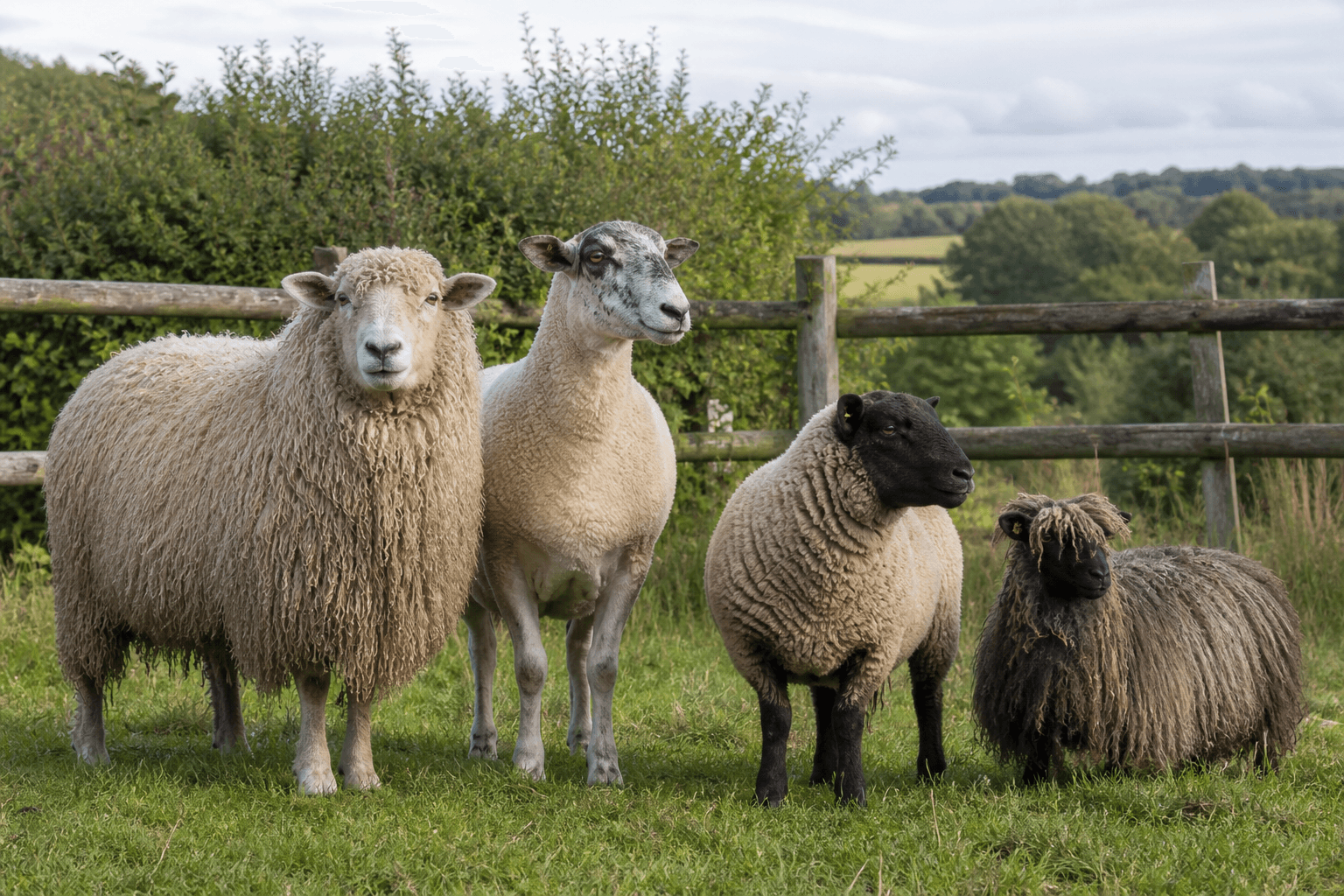
There is no such thing as a standard-issue sheep. Across the planet you will find corkscrew horns, velvet ears, fat tails, freckled faces and fleeces ranging from cloud-soft to gloriously shaggy. Consider this your passport to the woolliest world tour imaginable.
One animal, thousands of local adaptations
Humans have kept sheep in wildly different landscapes for thousands of years. Over time, local conditions and selective breeding shaped animals suited to humid grasslands, dry rangelands, cold islands and high mountains. A breed is a shared genetic history—not a personality template.
The Merino became famous for fine wool. Awassi sheep are well adapted to dry regions and store energy in their tails. Dorpers carry a practical hair-and-wool coat, while East Friesians are known for milk. Same species, very different wardrobes and résumés.
The face-and-fleece hall of fame
Hungary's Racka looks ready for a fantasy film with long spiral horns. Valais Blacknose sheep pair a white fleece with dramatic black faces and knees. Jacob sheep may carry two, four or even more horns, and Somali sheep wear a sleek coat built for heat rather than a giant woolly jumper.
Look at ears, face profile, horns, tail, body size, colour and fleece—but remember that crossbreeds happily scramble the visual clues. The most reliable breed information comes from farm records, not a confident guess from one glamorous photograph.
Breed tells the backstory; personality steals the show
Breed can hint at ancestry and typical traits, but every sheep is still an individual. One may inspect every bucket. Another may perfect the art of appearing only when snacks are nearby. A third may appoint herself official flock lookout.
That is where the SheePatron bracelet-camera livestream gets wonderfully personal. Members can watch the field from their sheep's point of view and spot the tiny habits no breed guide could predict. Meet the flock, then choose whose daily adventures you want to follow.
Why diversity matters
Local breeds carry genetic diversity, cultural history and traits that may help farms respond to changing climates and landscapes. The FAO tracks animal genetic resources globally because losing a breed can mean losing options that took generations to develop.
Conservation is not about turning sheep into museum pieces. It means maintaining healthy populations in responsible roles, with welfare and good husbandry always more important than an unusual look.