
Sheep sponsorship guide
What Does It Mean to Sponsor a Sheep?
A clear guide to sheep sponsorship: what you receive, what your patronage supports, and how to choose an ethical, meaningful farm connection.
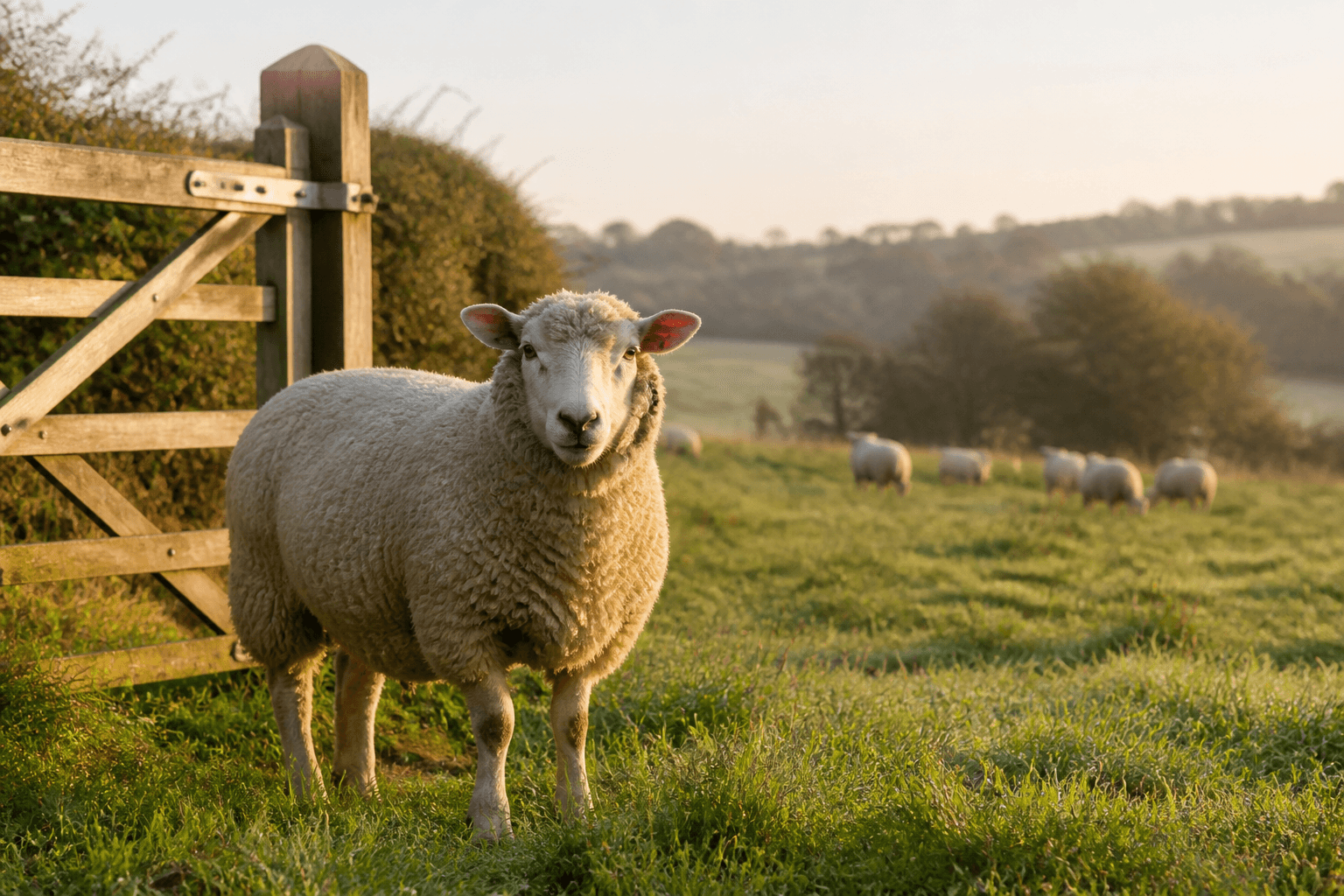
Sponsoring a sheep is not the same as buying or physically adopting one. It is a way to form a genuine, ongoing connection with a named animal and the farm year around her—without taking on the responsibilities of livestock ownership.
Sheep sponsorship, in plain English
A good sheep sponsorship programme invites you to follow one identifiable member of a real flock. Your contribution supports the work that makes responsible care possible, while the farm shares selected stories, photographs and seasonal milestones. The sheep remains at home, under the daily care of experienced keepers.
That distinction matters. Sheep need appropriate grazing, companionship, observation and skilled health care. UK welfare guidance says flock keepers should maintain a written health and welfare programme covering the yearly cycle. Sponsorship should bring you closer to that reality—not pretend that a certificate transfers ownership or replaces professional care.
What should a thoughtful package include?
The strongest programmes offer continuity rather than a one-off novelty. At SheePatron, you choose a package first, then select a named sheep and enter a private Sheep Room for her profile, certificate, farm notes and fulfilment updates.
- A clearly identified sheep with a real profile
- A defined sponsorship period and honest explanation of what is included
- Seasonal updates rooted in actual farm life
- A personalised certificate or gift message
- Transparent language about care, ownership and any physical goods
Where does the money go?
No responsible farm should claim that one patron’s payment can be traced to one particular mouthful of hay or veterinary visit. Farm costs are shared across a flock. Patronage contributes to the wider system: skilled labour, grazing management, fencing, shelter, routine checks, record keeping and communication.
Look for specificity without false precision. Ethical sponsorship describes the experience accurately, avoids guaranteed outcomes, and never suggests that an animal’s welfare depends on a single customer renewing.
How to choose the right sheep sponsorship
Start with the relationship you want. Some people are drawn to a calm older ewe; others to the alert sheep who is always first at the gate. Read the profiles, compare the patronage packages, and choose a duration that feels comfortable.
For a gift, check whether the recipient can make their own sheep and product choices. That small piece of agency turns a generic present into a story they help shape. You can meet the SheePatron flock before deciding, or explore gift patronage when the experience is for someone else.
The best reason to sponsor
The real value is attention. Farm life is usually encountered as a product at the end of a supply chain. Following a named sheep reverses that perspective: you begin with an individual, notice the weather and seasons around her, and understand the patient work behind a living flock.
A certificate may begin the experience. Recognition is what makes it last.