
The farm year
A Year in the Life of a Sheep: The Flock Through the Seasons
Follow the annual rhythm of a sheep flock from winter care and spring grass to summer shearing and autumn preparation.
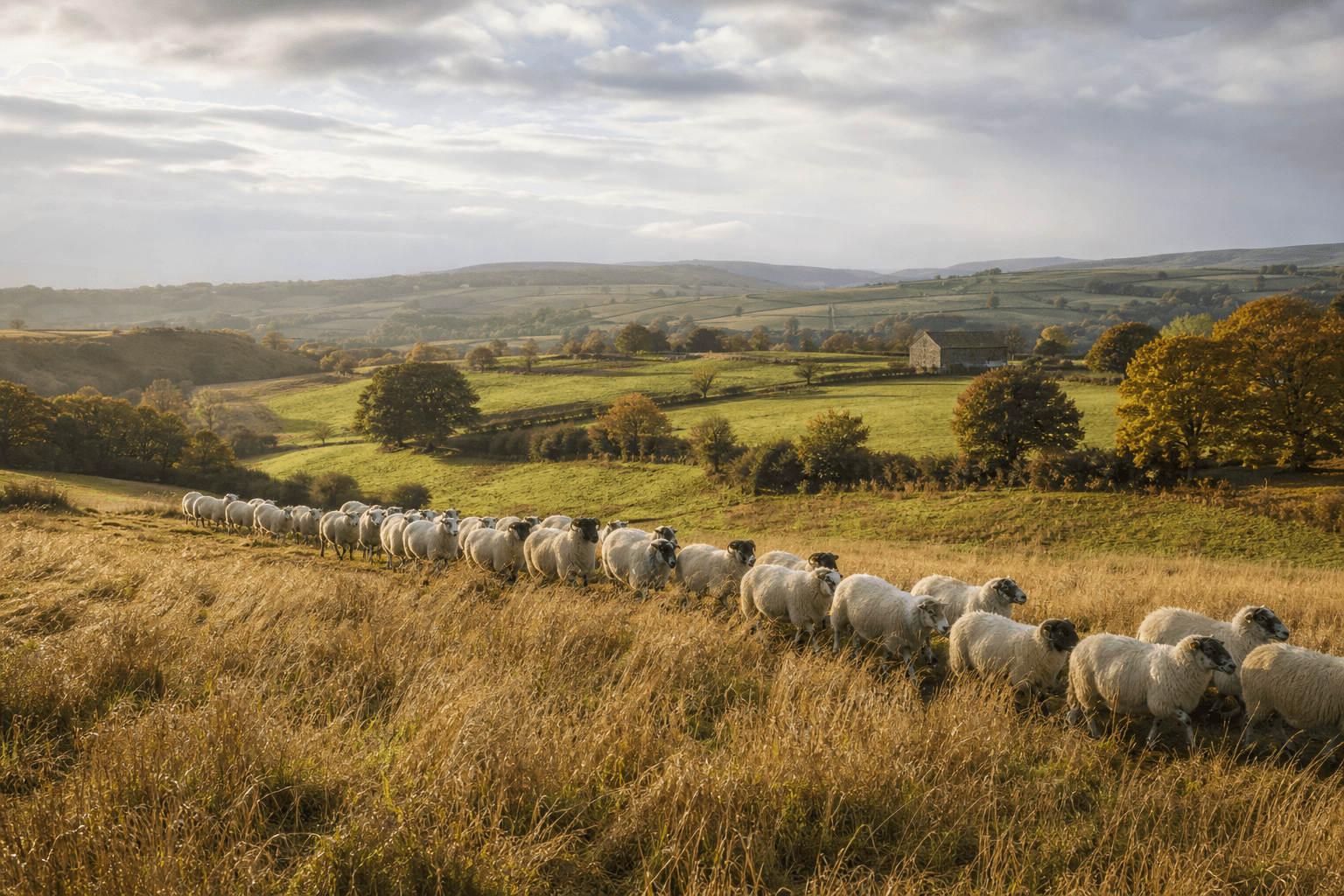
A sheep’s year is not a neat calendar of identical jobs. Weather, breed, geography and the farm’s breeding system all change the timing. Still, every flock moves through a recognisable rhythm of grass growth, fleece growth, health checks and preparation.
Winter: observation, shelter and steady routines
Winter strips the landscape back. Grass grows slowly, wet ground becomes vulnerable and cold wind increases the importance of shelter. Keepers monitor body condition, feet, forage and weather closely, adjusting management to the flock and land.
Not every flock lambs, and lambing dates vary widely. Where ewes are pregnant, winter preparation includes nutrition, facilities and a plan for skilled supervision. Government guidance stresses that shepherds need competence in lambing and that welfare planning should cover the whole yearly production cycle.
Spring: grass returns
Longer days wake the pasture. For lambing flocks, spring can bring births, bonding and intensive checks. For non-breeding or demonstration flocks, it is still a major transition: diets shift with fresh grass, parasite risk changes and wet conditions may challenge feet.
This is also when hedges, field margins and early flowers become visibly active. The farm is not merely a backdrop to the sheep; it is a living system responding to temperature, rain and management.
Summer: fleece, shade and pasture
As temperatures rise, many adult wool sheep are shorn. Timing is a welfare decision, not a styling appointment. Mature sheep generally need their fleece removed annually, but recently shorn animals can be vulnerable to cold stress. Forecasts, shelter and competent handling matter.
Summer grazing also requires judgement. Keepers watch water, shade, flies, pasture quality and body condition. Fields may look abundant while particular nutrients or clean grazing are limited. The calmest-looking season still contains daily decisions.
Autumn: assessment and preparation
Autumn is a hinge. Grass quality changes, nights lengthen and the farm prepares for wetter ground. Flock checks, grazing plans and winter forage come into focus. In breeding systems, this may also be tupping season, with timing chosen to set the following lambing period.
The visible flock carries the year with it: a newly grown fleece, learned routes through gates, established social groups and the effects of months of weather.
Why seasonal updates are worth following
A generic animal fact stays the same. A farm note does not. It might record the first hard frost, a move to fresh grazing or the distinctive way one ewe finds shelter before rain.
That is the idea behind the private Sheep Room included in SheePatron packages: not constant entertainment, but a slower record of change. Following a named sheep teaches the scale on which farm life actually happens—day by day, then season by season.